History 3/3

From the Reformation to the present day

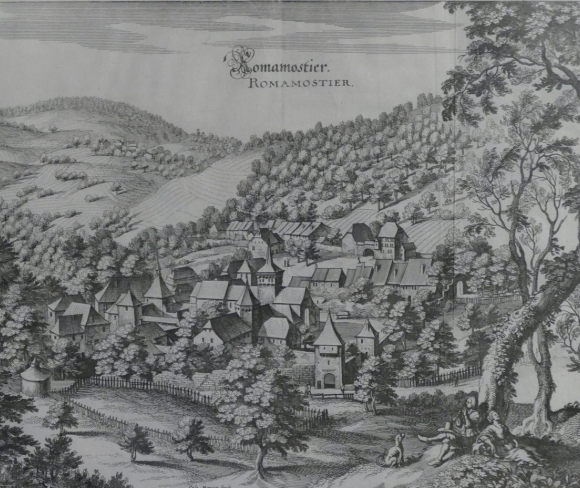
Caspar Merian

On 27 January 1537, the Bernese occupiers secularised the monastery in Romainmôtier. The abbey church became a Protestant place of worship, and was gradually demolished and transformed. The twelve remaining monks had to choose whether to convert or go into exile.

The Prior’s House became the official residence of the bailiff appointed by Bern between 1537 and 1798. The other buildings were let, sold, or transformed into cellars or grain stores. Romainmôtier became the capital of a very profitable bailiwick on account of its seigneurial rights and the volume of its tithes. In 1798, following the revolution in Vaud, its territory was divided between the districts of Orbe, Cossonay, la Vallée de Joux, Aubonne and Rolle. The majestic lime tree behind the church was planted to celebrate the end of Bernese rule.
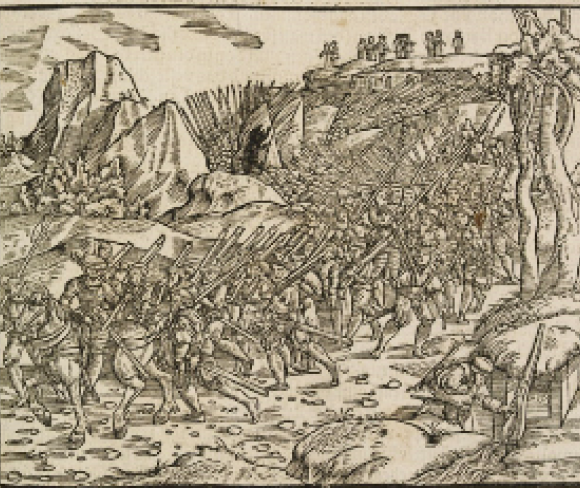
Zentralbibliothek Zurich

In 1536, the Bernese conquered the Vaud region to come to the aid of the Genevans, who had been besieged by the Duke of Savoy. The Bernese administration had economic, political and religious consequences.

After the Reformation, all symbols of the old faith were destroyed, in particular images of saints, representations and sculptures in churches.

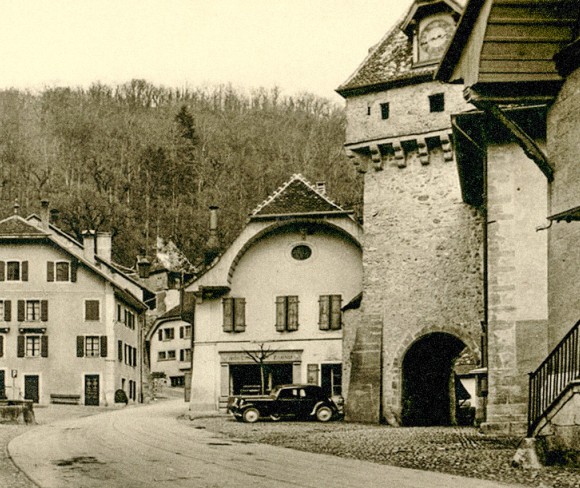
Rémy Glardon

In 1803, when the Canton of Vaud was founded, the church in Romainmôtier became its property. The church underwent several developments.

A major restoration was carried out by the Canton of Vaud between 1899 and 1915, which gave the monument a new lease of life. The archaeological finds also provided new insights into the history of the site.

The restoration work carried out between 1992 and 2000 took place in two stages. The first aimed to reinforce the structures: façades, roofs and bases of walls, to ensure the monument’s long-term survival. The second focused on the inside, with restoration of the decorative elements, murals and stained glass windows. The site of the former cloister was landscaped.

Romainmôtier abbey church has therefore been returned to its former glory. It showcases Cluniac heritage and hosts ecumenical services in a spirit of openness and inclusion.

In 2021, Romainmôtier applied to become a UNESCO World Heritage site along with Cluny and 109 other Cluniac sites in Europe.

shutterstock

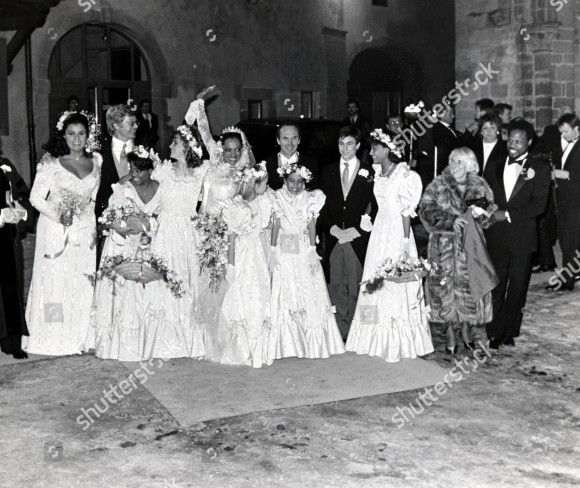
Diana Ross, the famous Afro-American star and lead singer of The Supremes in the late 1960s, married Arne Næss Junior, a Norwegian billionaire and keen mountaineer, in the Romainmôtier abbey church on 1 February 1986.

The soul star, who became a disco queen in the 1980s, invited a host of celebrities, including Stevie Wonder and Lionel Richie. The couple had two sons before divorcing in 2000. Why they opted for the little church in Romainmôtier is anyone’s guess. But by all accounts the children from the village enjoyed feasting on the leftover wedding cake!